Upwork and Fiverr fail Indian startups for one core reason: they're built to maximise cheap transactions, not good outcomes. The platform hands you a search box and a thousand near-identical profiles, then leaves the sourcing, vetting, project management and quality control entirely to you — while taking a cut. For a time-strapped founder, that "freedom of choice" is really an unpaid second job. This piece breaks down exactly where these platforms break down for Indian brands, and the model that actually works.
To be fair, these platforms did something important: they proved you can hire great talent remotely. India is now the world's second-largest freelance market with 12–15 million freelancers, per the NASSCOM gig economy research. But access to talent and a good hiring experience are different things — and that's where the open marketplaces fall short.
Why do Upwork and Fiverr fail Indian startups?
- The race to the bottom. Public bidding pushes prices down until quality follows. The senior Indian designers and writers worth hiring quietly left years ago, because they refuse to compete on being cheapest.
- You do all the work. Sourcing, shortlisting, vetting, briefing, managing revisions, chasing deadlines — all of it lands on you. The platform just processes the payment.
- Ratings are gamed. Five-star averages and review counts are easy to inflate and tell you almost nothing about whether someone fits your brief.
- Profile overload. Sifting hundreds of look-alike profiles is a genuine time sink — often a full week before you even start the actual work.
- No accountability. If a freelancer ghosts or the work is poor, you absorb the loss. Nobody is standing behind the outcome.
The hidden cost nobody mentions
The platforms look cheap because their fees are visible and small. The real cost is invisible: the hours you pour into sorting and managing, the projects that stall, and the rework when a cheap hire underdelivers. For a founder whose time is the scarcest resource in the company, that hidden tax often dwarfs the few thousand rupees "saved" on the rate.
What works instead for Indian brands
The fix isn't to avoid freelancers — it's to remove the parts of the open marketplace that don't serve you: the searching, the vetting risk, and the lack of accountability. A managed model keeps freelancer economics but puts a curation layer in front, so you only ever see people who are genuinely good and genuinely relevant to your brief.
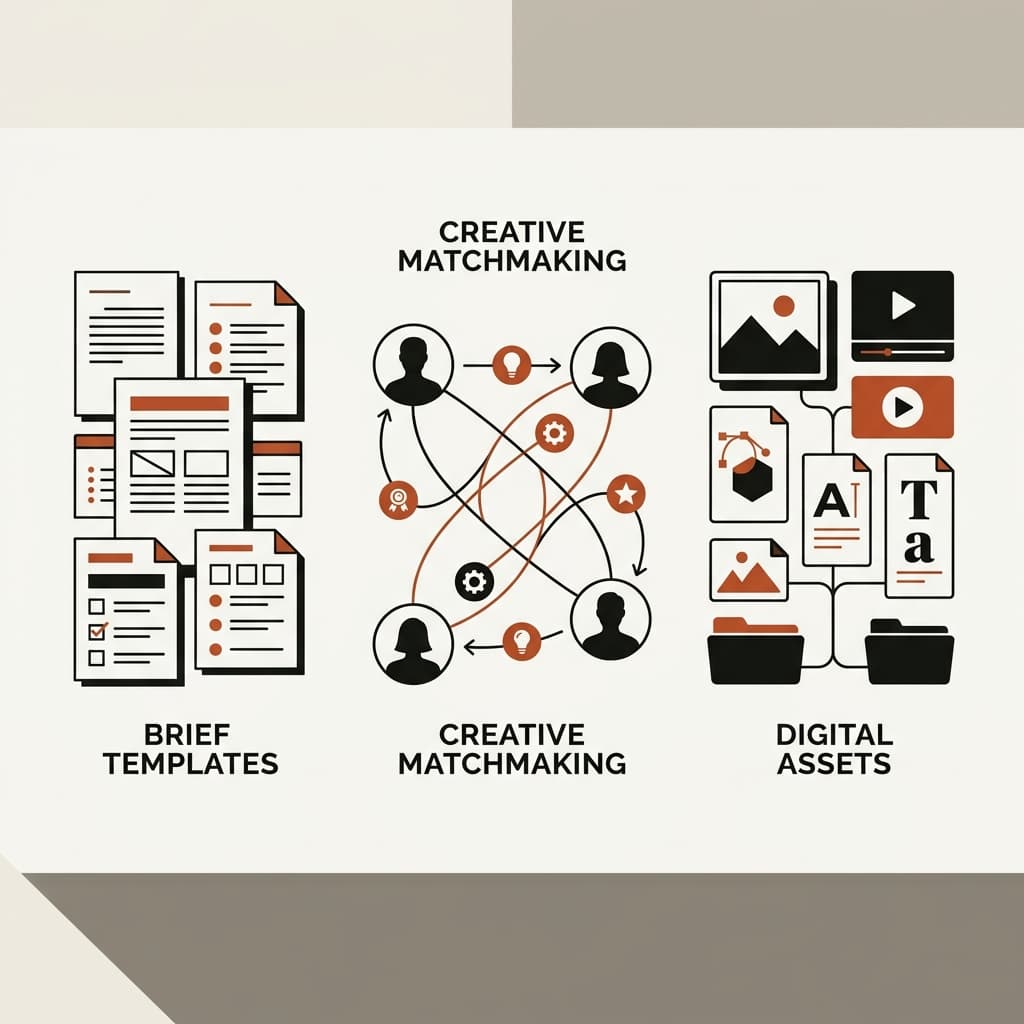
This is the entire reason That's My Brief exists. As India's managed creative marketplace, That's My Brief inverts the Upwork model: instead of you searching, you post a brief once and our team hand-picks a curated shortlist of 3–5 vetted specialists — from roughly the top 3% of applicants — and delivers it to you, typically within 24 hours. You review them anonymously, on the strength of the work, and That's My Brief manages the matching and delivery so you're not left holding the risk. You can browse the network — say copywriters in Mumbai or social media managers in Delhi — or just post a brief for free.
The takeaway
Upwork and Fiverr aren't evil — they're just optimised for the wrong thing if you're a growing Indian brand that values time and outcomes. Trade the endless search and gamble for a curated, managed shortlist, and hiring creative talent stops being a chore and starts being a competitive edge.